
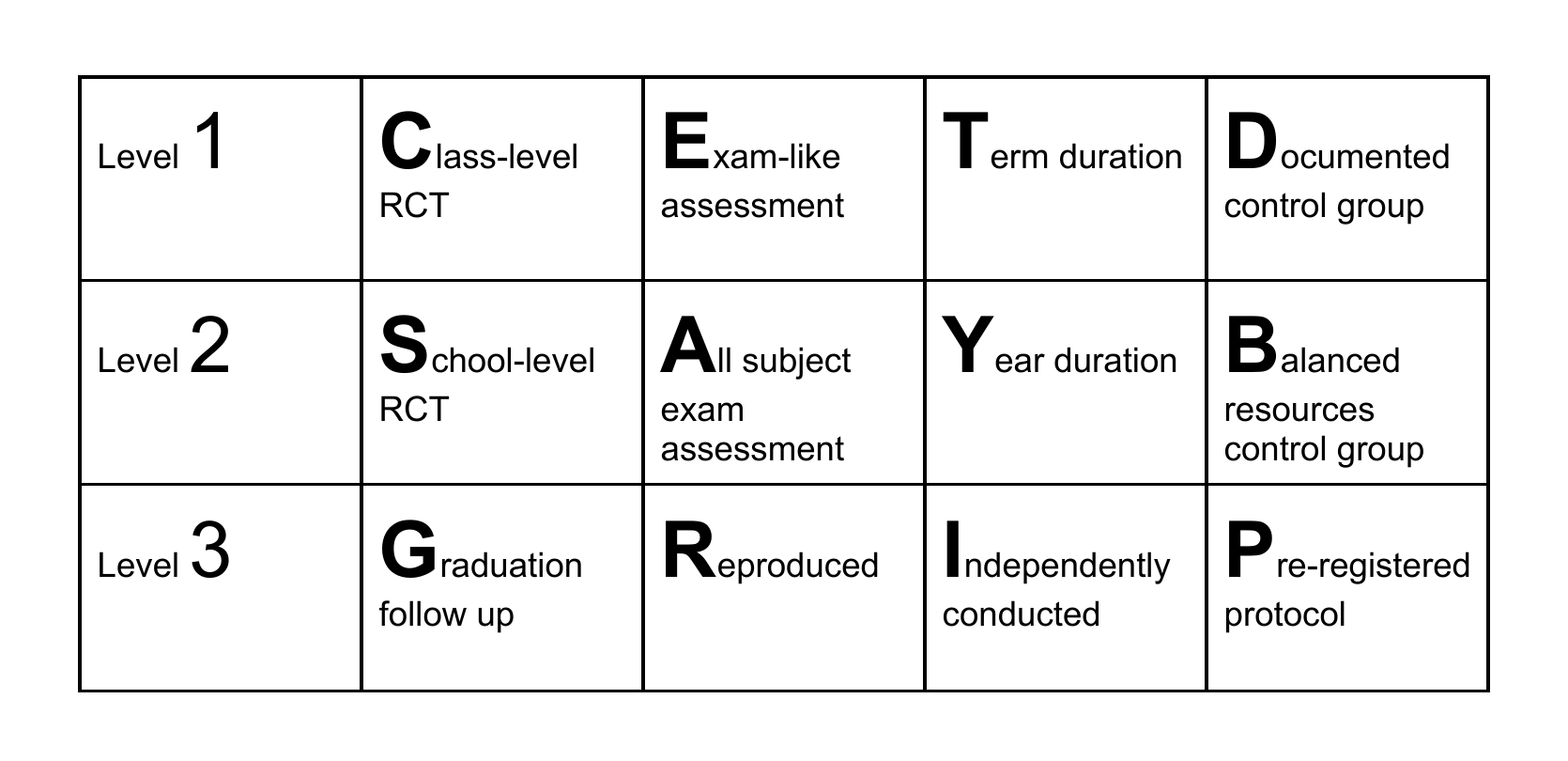
ERCT: A Simple Standard for Making Sense of Educational RCTs
Twelve questions for reading educational randomised controlled trials more critically.
ERCT gives us a consistent way to read educational randomised controlled trials.
A trial can report an impressive effect and still leave important questions unanswered. How long did it run? What did the comparison group receive? Was the outcome an independent exam or a test designed around the intervention?
ERCT is a practical checklist of twelve criteria, organised into three levels. It helps make those questions visible. It is not a universal certification of a study, and a checklist cannot replace reading the evidence.
Twelve questions for reading educational randomised controlled trials more critically.
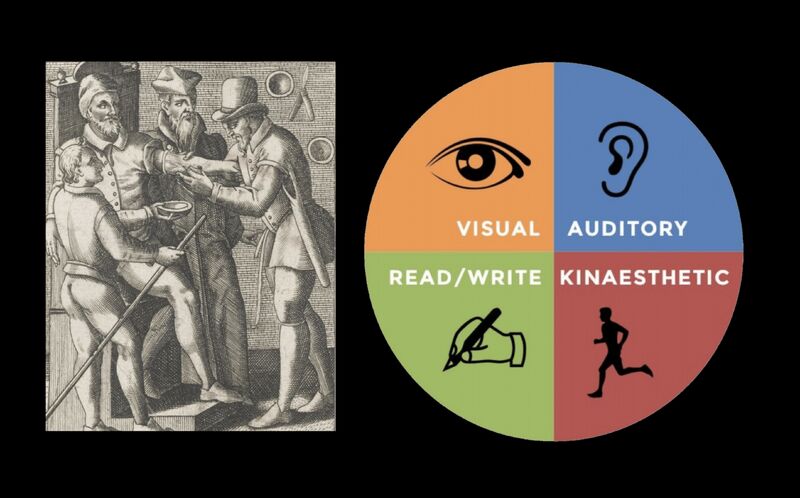
An argument for testing educational practice with the same seriousness we bring to medical evidence.
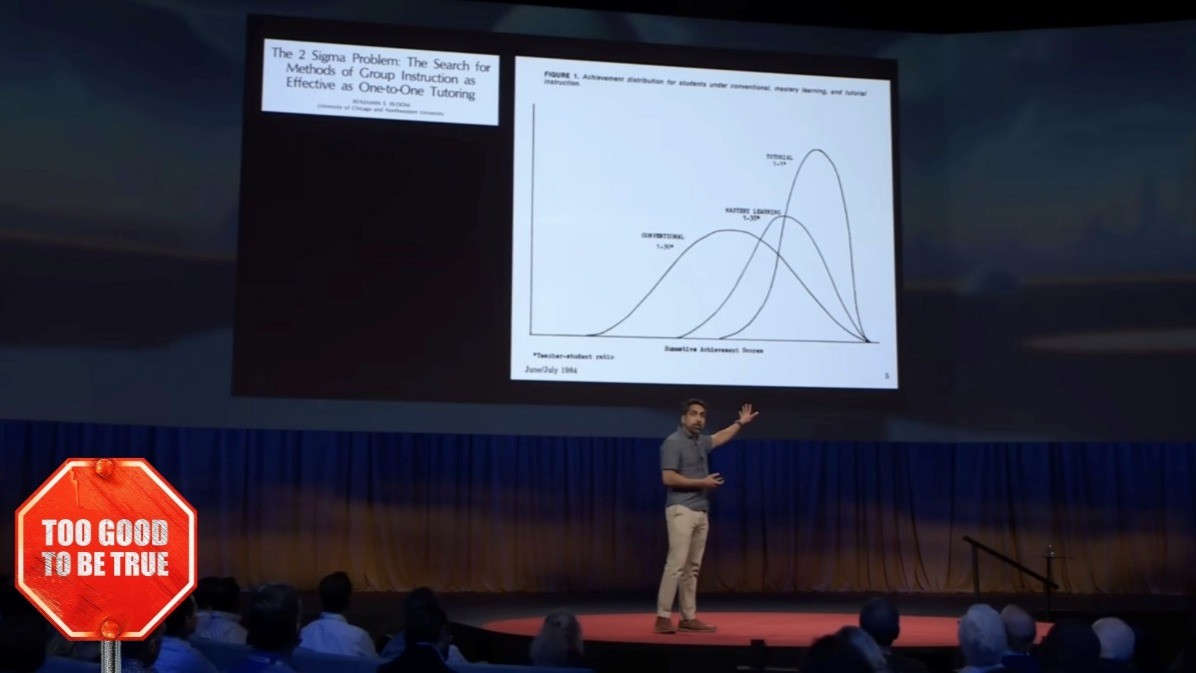
What the two-sigma tutoring claim tells us—and what the original evidence leaves unresolved.