Glite Get Started
Glite menu
Research

Glite Research

We study how machine learning can improve education, with a particular focus on intermediate and advanced English.

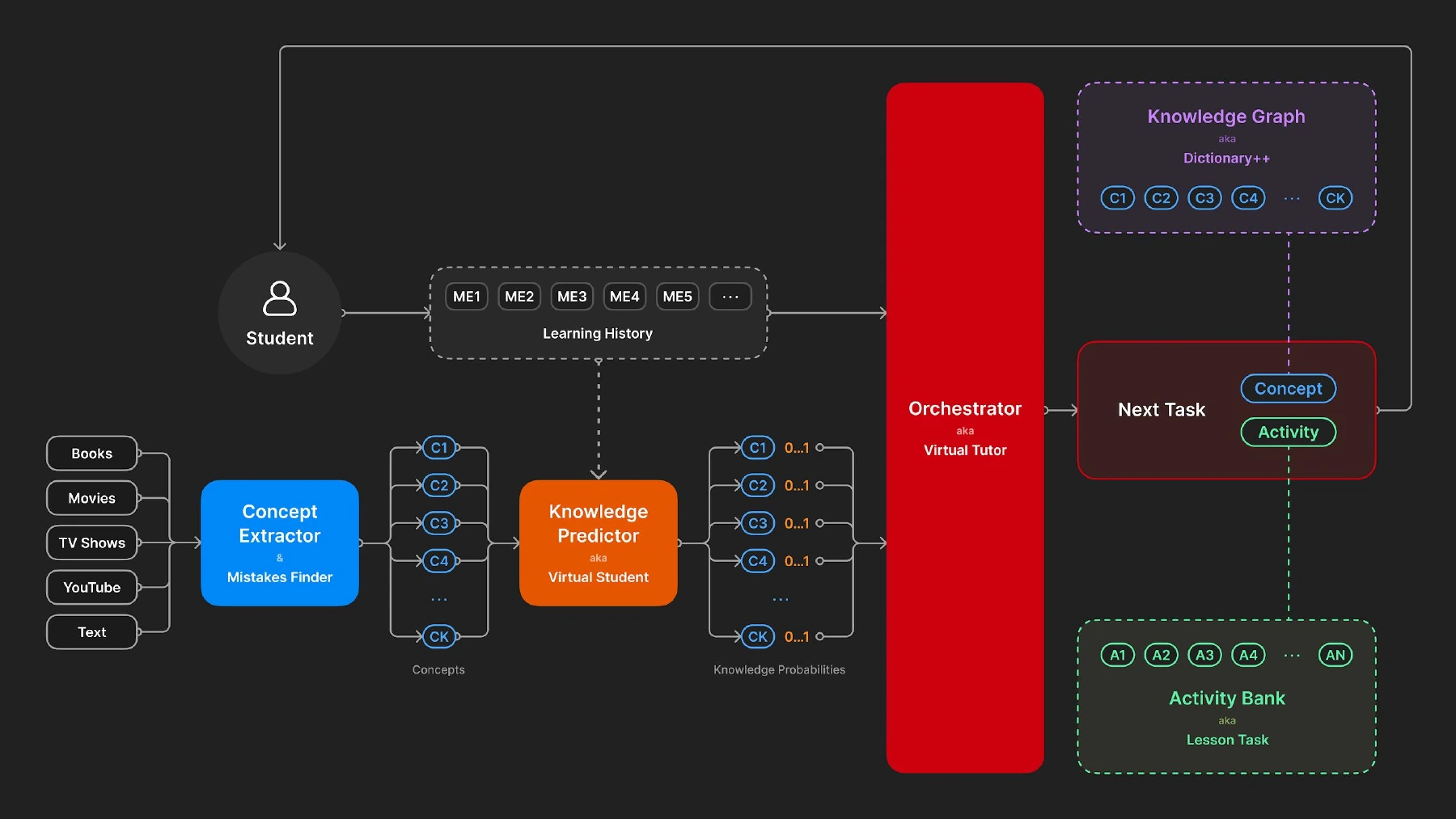
Glite’s N+1 learning architecture

Glite’s N+1 architecture: the Concept Extractor identifies learning concepts. The Knowledge Predictor combines them with the student’s learning history. The Orchestrator uses knowledge estimates, the Knowledge Graph and the Activity Bank to choose the next concept and activity.
Open a component below for its explanation and related research.
Student

The learner answers questions and completes activities. Their responses provide evidence about what they know.

Learning history

A record of answers and learning activities. The models use this history to update estimates and choose the next task.

Learning materials

Books, videos and other content contain learning concepts. Identifying those concepts connects materials to a learner’s needs.

Concept Extractor

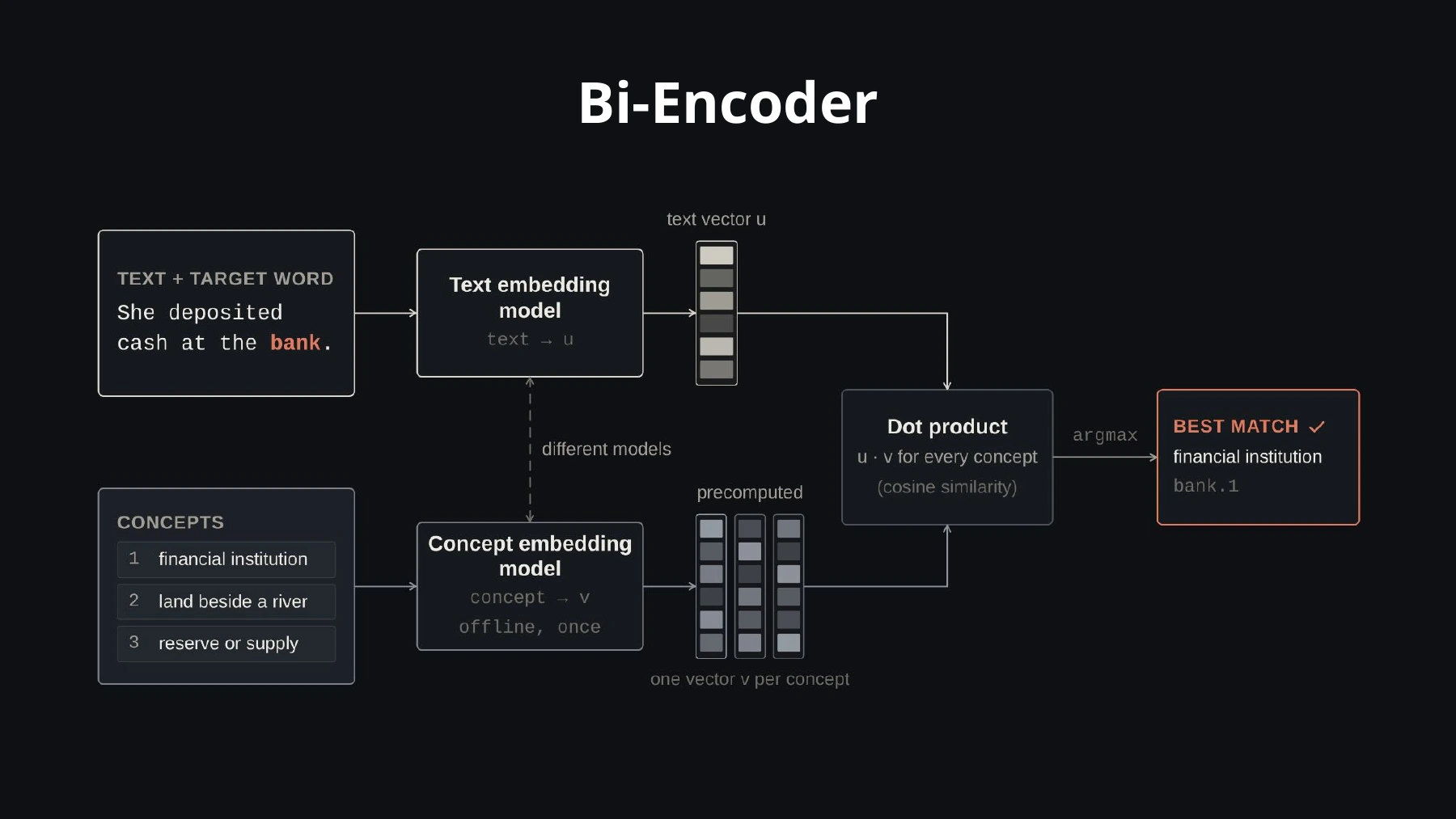
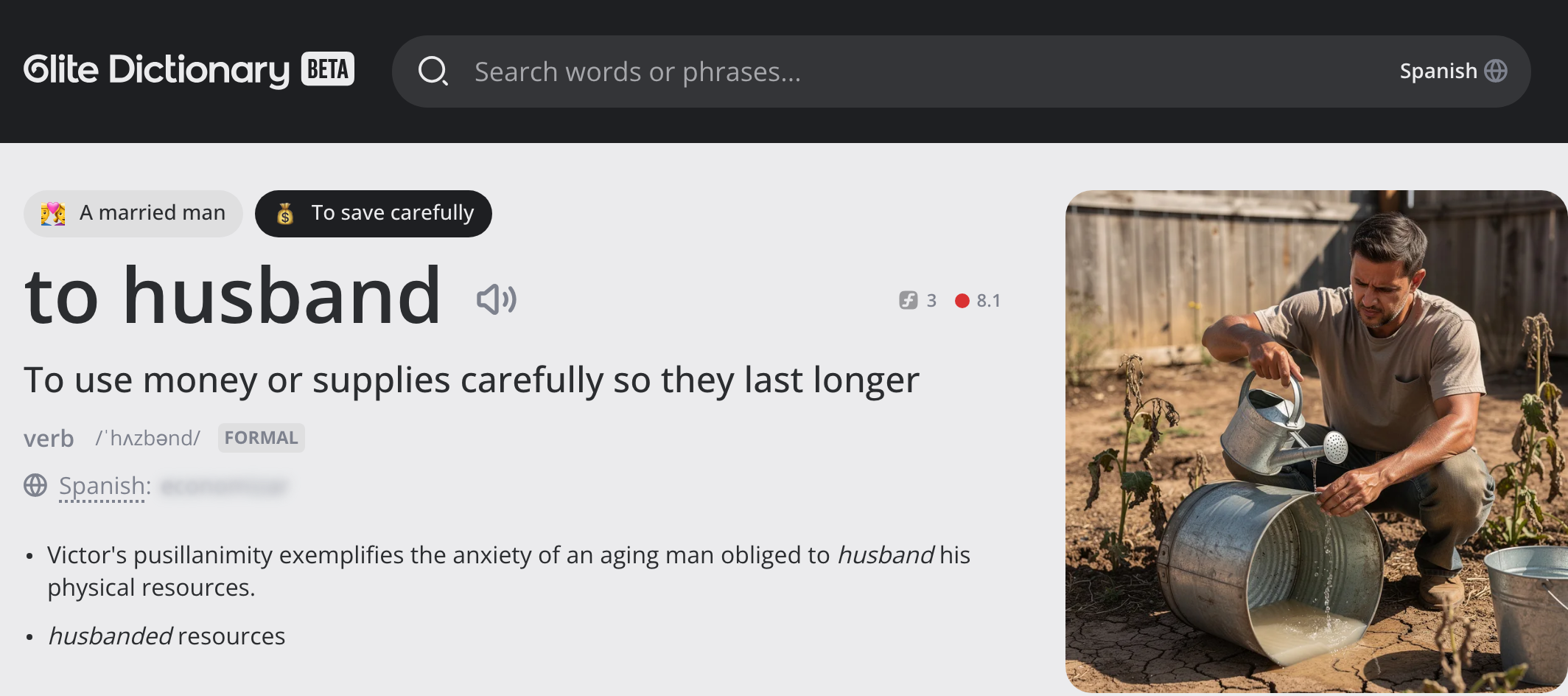
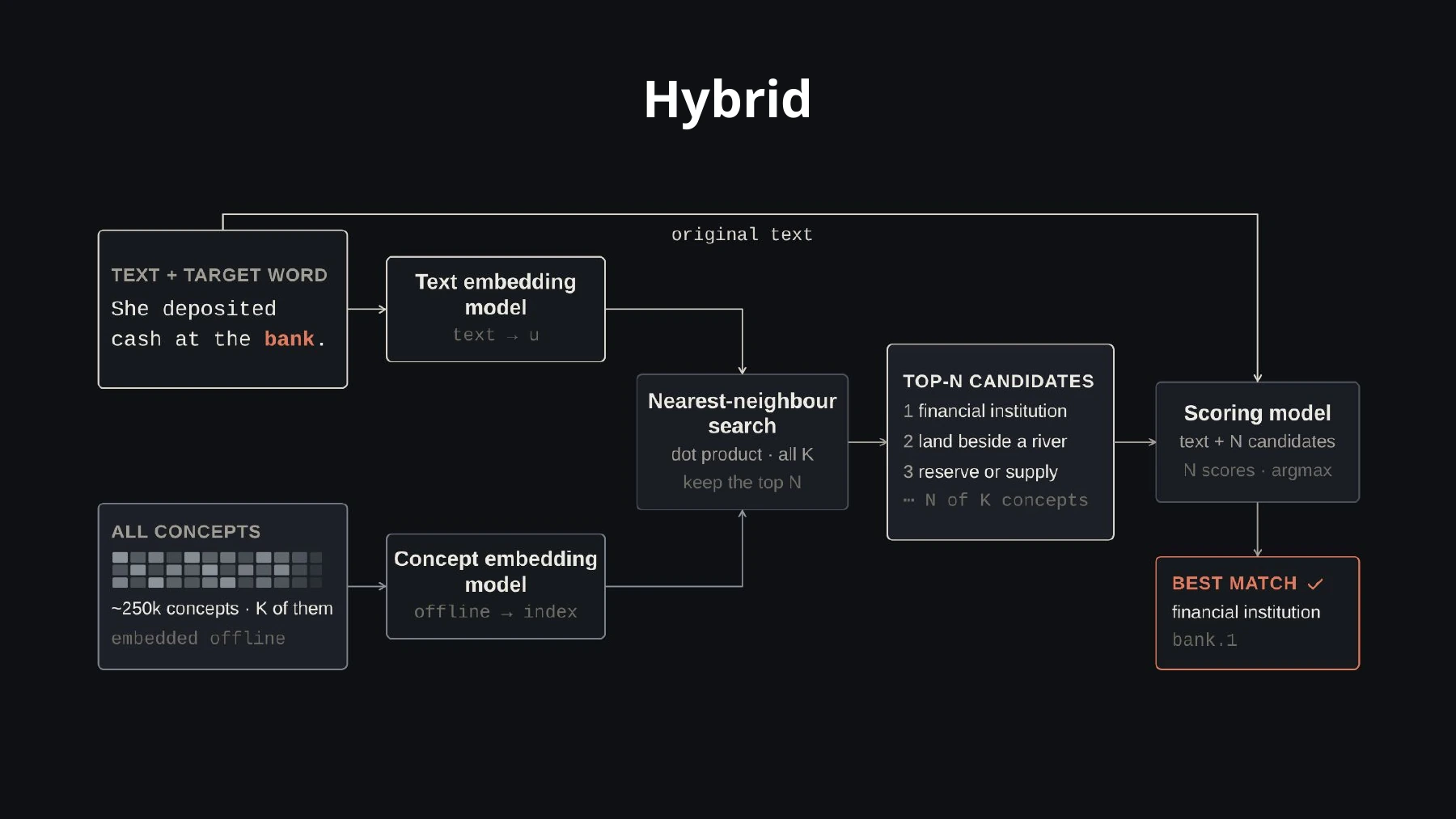
Identifies the learning concepts in content and student answers: word meanings, expressions, skills and misconceptions.

Learning concepts

The units the system recognises and teaches. For English, these include individual word meanings and expressions.

Knowledge Predictor

The Knowledge Prediction model combines concepts with a learner’s history to estimate what that learner already knows.

Knowledge probabilities

Estimates between zero and one express uncertainty about a learner’s knowledge of each concept. They can change as new evidence arrives.

Orchestrator / Virtual Tutor

Selects the next concept and activity using learning history, knowledge estimates and the available tasks.

Knowledge Graph

Organises the concepts that can be taught. Depending on the domain, it may include explicit relationships or a collection of concepts without them.

Next task

Pairs a learning concept with an activity. The learner’s response becomes part of the history for the next decision.

Activity Bank

The available learning activities: different ways to practise, explain or assess a concept.

Educational randomised controlled trials

ERCT is our practical framework for reading educational randomised controlled trials: twelve questions about design, outcomes and reproducibility.

Four of the questions we ask

  1. What is the comparison?Understand what the control group received.
  2. What was measured?Look for meaningful, independent outcomes.
  3. How long did it last?Distinguish a brief effect from lasting learning.
  4. Does the result hold up?Look for replication and independent evidence.

AI-Powered Education London Meetup

Talks and paper reviews with researchers, educators and people building learning tools.

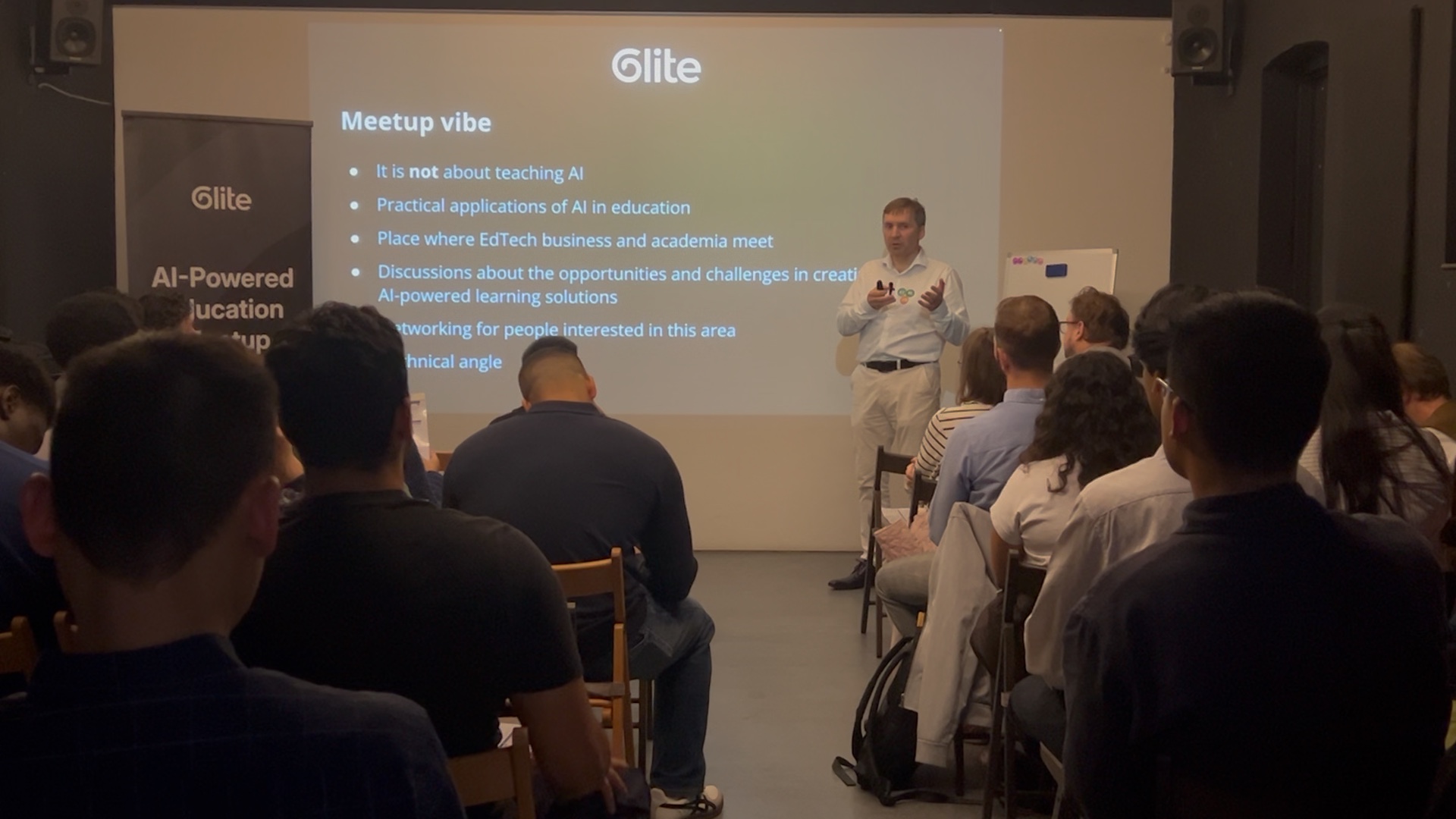
The audience and opening remarks in the meetup room at Anomalous Space on 6 October 2026.

Anomalous Space

Glite’s learning architecture and the models behind concept extraction.

  • The N+1 approach to education — Pavel Katunin
  • Building a concept extractor — Vassili Philippov
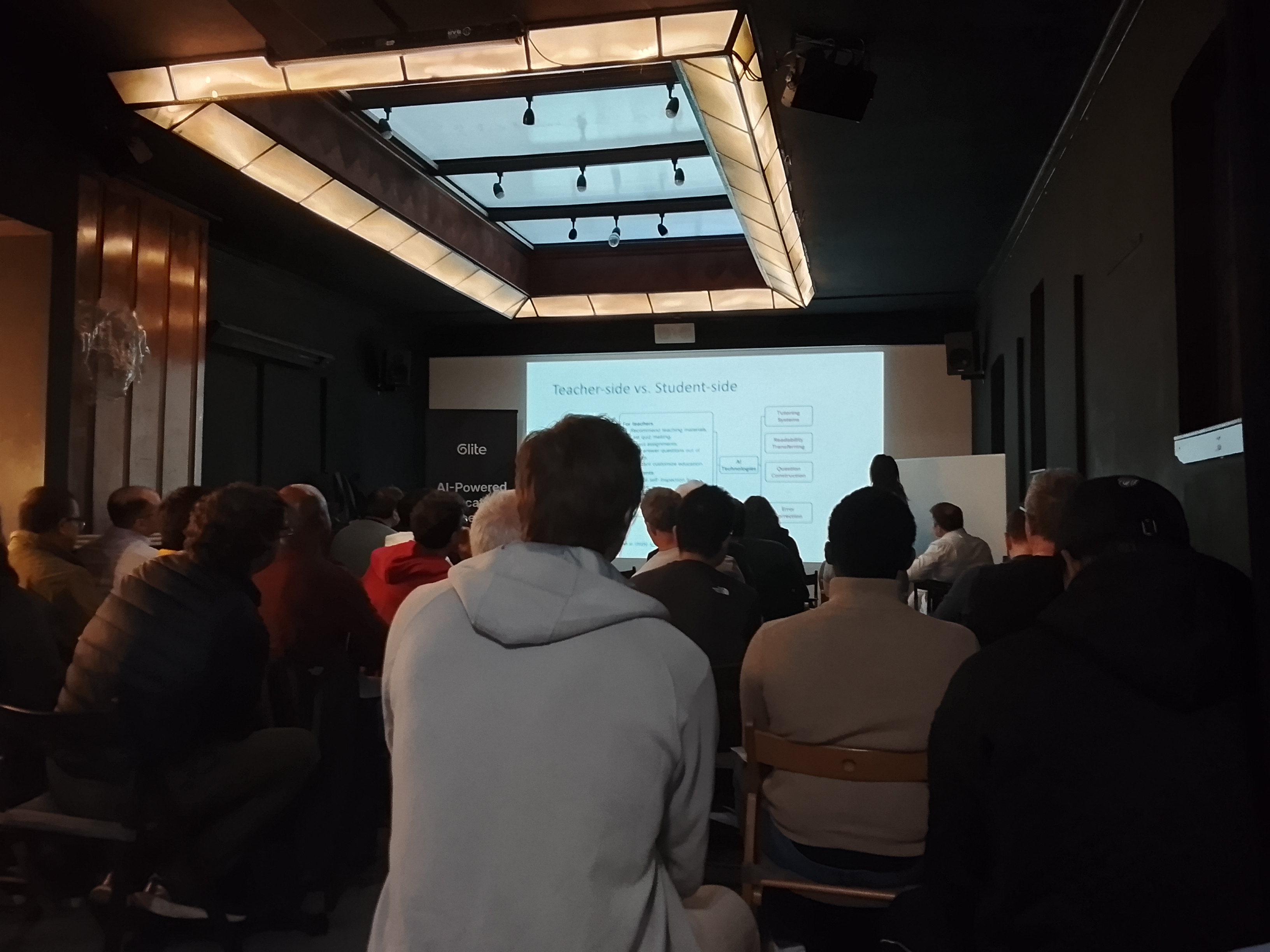
An audience at Anomalous Space watches an April meetup presentation comparing teacher-side and student-side uses of AI.

Anomalous Space

Educational uses of generative AI and agent-assisted vocabulary research.

  • From AI tools to AI teammates — Dr. Zheng Yuan
  • Predicting vocabulary difficulty with research agents — Vassili Philippov
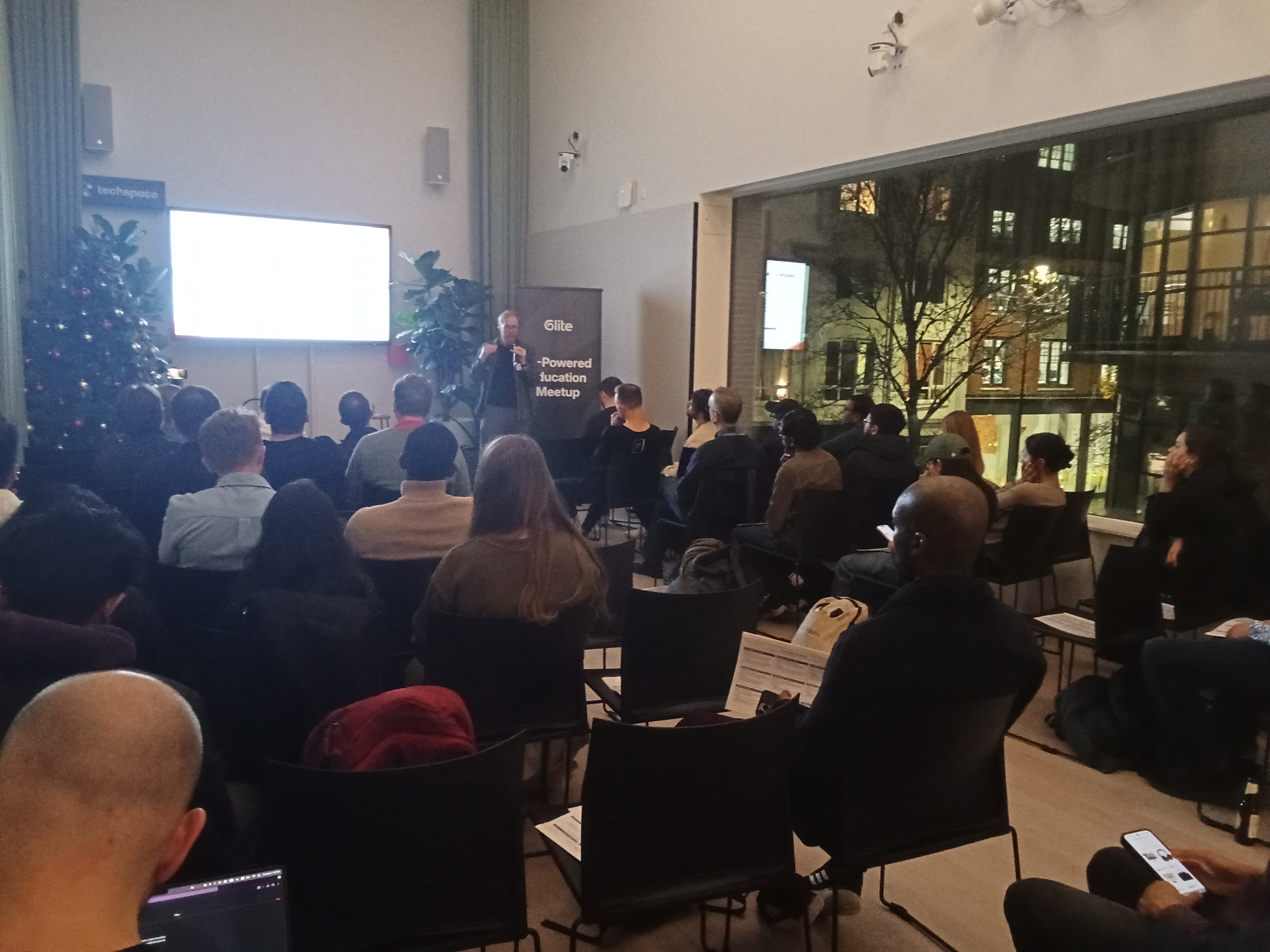
Attendees listening to a presentation at Techspace Goswell Road during the December AI-Powered Education meetup.

Techspace Goswell Road · The Gallery

Teacher-led AI tools and ways to evaluate their educational impact.

  • Teacher-led tooling for AI models — Simon Woodhead
  • Quality assurance in AI for education — Moritz Boos
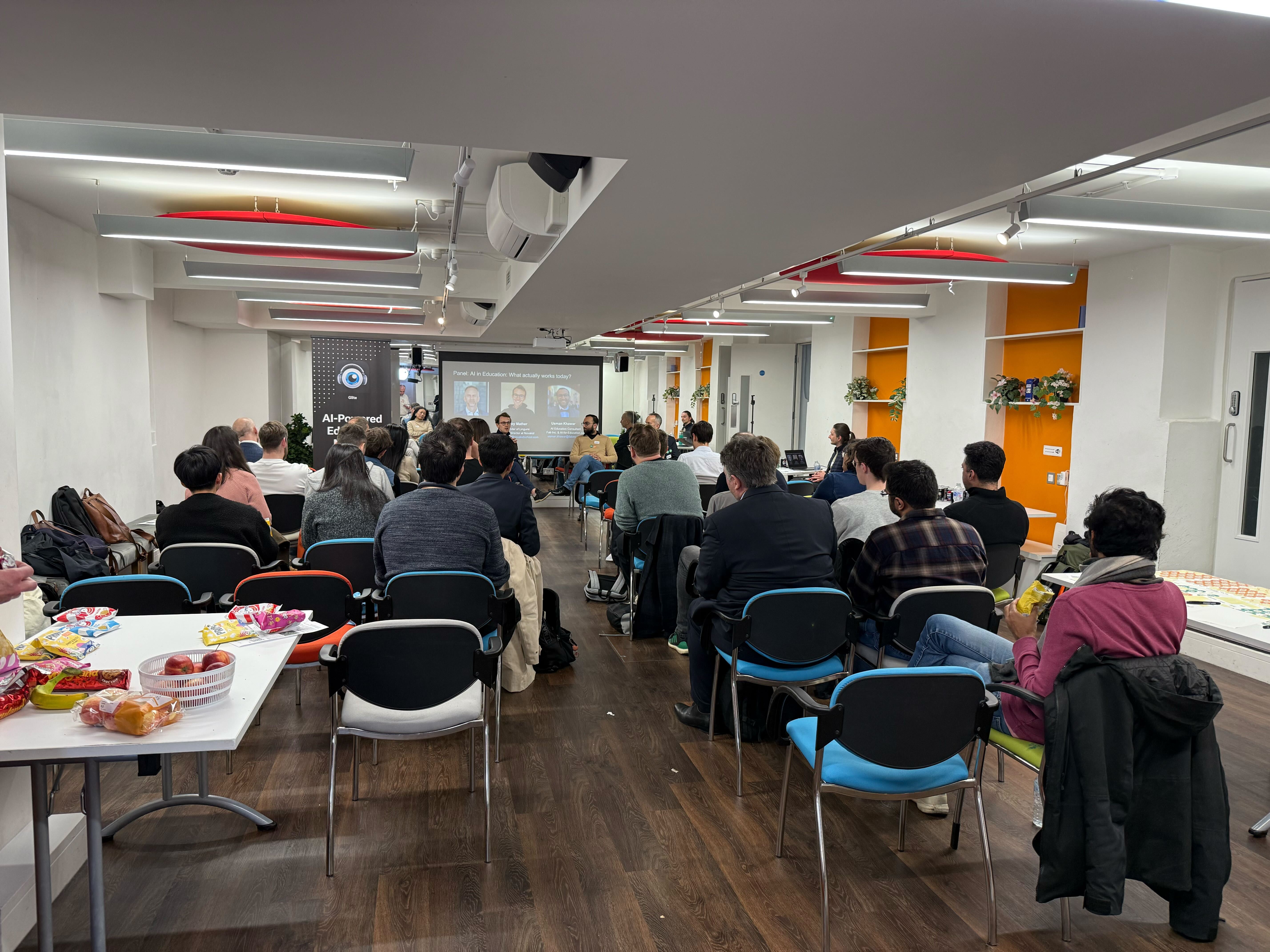
A panel and audience at the Warren Centre with a projected title asking what actually works in AI for education.

Warren Centre

Student models and hybrid AI approaches to adaptive education.

  • Hybrid AI models for adaptive education — Peter Romov